
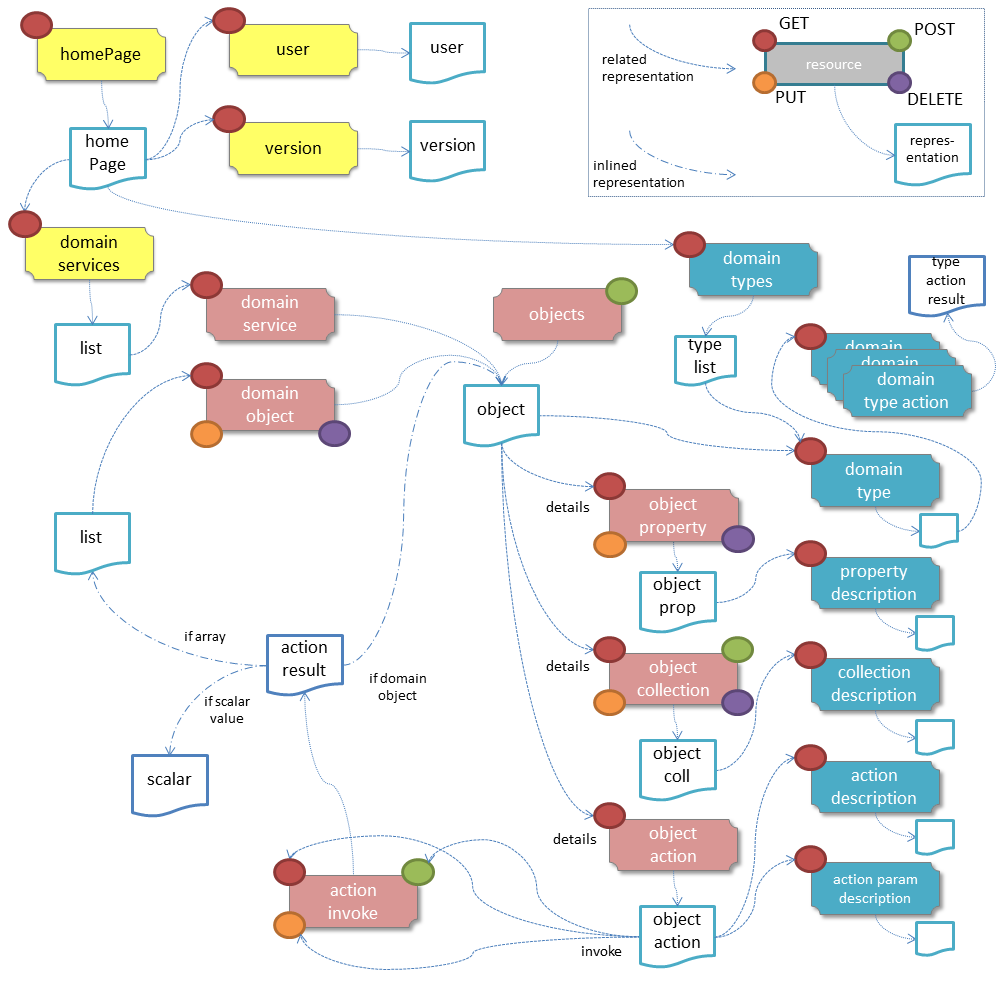
APIs are the backbone of modern software systems. A well-designed API can adapt to changing requirements, scale to massive loads, and remain intuitive for developers. Here is how to design APIs for the future.
API Design Principles
Consistency: Consistent naming conventions, response formats, and error handling reduce the learning curve for API consumers.
Simplicity: Simple APIs are easier to use, debug, and maintain. Avoid unnecessary complexity.
Flexibility: Design with extensibility in mind, allowing new features without breaking existing integrations.
Safety: Use HTTP methods correctly (GET for retrieval, POST for creation, PUT for updates, DELETE for deletion).
Documentation: Exceptional documentation is as important as the API itself.
REST vs GraphQL
REST Strengths:
- Stateless, cacheable, scalable
- Clear semantics for CRUD operations
- Excellent HTTP compatibility
- Simple to understand and implement
GraphQL Strengths:
- Query only the fields you need (reducing bandwidth)
- Single endpoint reduces network round-trips
- Strong typing enables better developer tooling
- Ideal for mobile and bandwidth-constrained environments
Most successful companies use both strategically. REST for simple stable resources, GraphQL for complex query patterns.
Versioning Strategy
URL Versioning: /api/v2/users - explicit and clear
Header Versioning: Clients specify version in Accept header - keeps URLs clean
Accept Versioning: Use media types like application/vnd.company.v2+json
We recommend header versioning for good balance between clarity and URL cleanliness. Always provide migration paths for API consumers.
Error Handling
Use HTTP status codes correctly:
- 2xx: Success
- 4xx: Client error (invalid request)
- 5xx: Server error
Provide detailed error responses with fields like code, message, and details.
Rate Limiting and Throttling
Protect your API from abuse:
- Implement rate limiting (e.g., 100 requests per minute per user)
- Provide clear headers indicating limits (X-RateLimit-Remaining)
- Use exponential backoff for retries
- Offer higher limits for paying customers
Performance Optimization
Filtering and Pagination: Use query params like page, limit, and role to filter results efficiently.
Field Selection (GraphQL): Return only requested fields to reduce bandwidth.
Caching Headers: Use ETags and Conditional requests to minimize data transfer.
Async Operations: Long-running operations should return a job ID with status endpoint.
Security
- Authentication: Require API keys or OAuth tokens for all requests
- Authorization: Verify users can only access their own data
- HTTPS: Only accept HTTPS connections
- Input Validation: Validate and sanitize all inputs
- Rate Limiting: Prevent denial-of-service attacks
Deprecation Strategy
APIs evolve. Handle deprecation gracefully:
- Announcement: Clearly communicate deprecation timeline
- Warnings: Include deprecation headers and documentation warnings
- Support: Provide migration guides and time windows
- Sunsetting: Remove deprecated endpoints only after sufficient notice period
Monitoring and Analytics
Track API health:
- Request volume and latency
- Error rates by endpoint
- Popular vs. unused endpoints
- Performance trends over time
Use this data to make informed decisions about optimization and deprecation.
A great API is not just about technical excellence. It is about understanding your users needs and building solutions that delight them.
Tags
David Kim
Writer at Telisof · Engineering Team
Passionate about engineering excellence and sharing insights that help teams build better products and experiences.